Roller Door vs Sectional Door: What's the Difference (and Which One Have You Actually Got)?
Nearly every Waikato customer who calls us describes their door as a "roller door," and more often than not, it's actually a sectional door. It's a harmless mix-up, but it matters once you're trying to book the right repair or work out what to buy. The short answer: a roller door coils into a barrel above the opening, a sectional door travels up in flat panels along a track, and either way, we'll sort you out.
The 10-Second Way to Tell Which Door You've Got
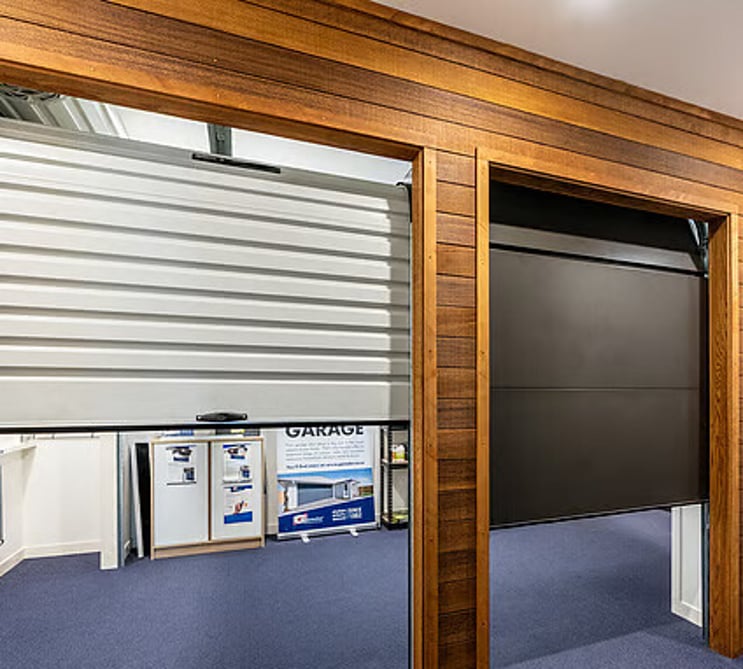
Stand in front of the garage and watch what happens when it opens. If the whole door rolls up into a tight coil that disappears into a box above the opening, that's a genuine roller door: one continuous curtain, usually corrugated steel, wound onto a barrel. If instead the door lifts in flat, rigid panels that travel back along horizontal tracks and sit flush against the ceiling, that's a sectional door. It's a simple enough test, but it trips people up constantly, because both types get lumped under "roller door" in everyday conversation. Does it roll into a coil, or does it move in panels along tracks? That one question settles it every time, and it's the first thing we ask when someone calls us to book a repair or a quote.
If you've searched roller door vs sectional door because you're trying to book the right repair, that one test above is really all you need before you call.
Why the Names Get Mixed Up (and Why We Don't Mind)
Customers constantly call sectional panel doors "roller doors." It's just how the term has settled into everyday Kiwi language, probably because both types roll up and out of the way. We never correct anyone on it, and you shouldn't feel like you need to know the technical term before you ring us. What matters more than the label is what the door's actually doing: stuck, noisy, off track, or not responding to the remote. That's what tells us what to bring and how to fix it, regardless of whether you called it a roller door or got the name spot on.
Getting an Accurate Quote Without a Site Visit
One advantage of knowing which type you've got is that it speeds up getting a quote. We can often price a repair over the phone, without needing to send someone out first, but accuracy depends on us getting the right information from you up front: the make and model if you know it, and a clear description of what the door is doing. A sectional door that's dropped on one side and a roller door with a slow, grinding barrel are different jobs needing different parts, so the more detail you can give us, the more accurate that phone quote will be. If we can't pin it down over the phone, we'll say so honestly rather than guess.
When Neither Off-the-Shelf Option Fits
Sometimes the roller-versus-sectional question doesn't have a simple answer, because a standard version of either won't actually work for the opening you've got. We manufacture our own tilt doors and specialty sectional doors in-house for exactly these situations: oversized openings, flush-mounted designs, or a one-of-a-kind shape that off-the-shelf brands simply don't make.
If you've been told your garage doesn't suit a "normal" door, that's often a sectional or tilt problem with a custom solution, not a dead end.

What to Check Before You Book a Repair or Quote
Once you've settled the roller door vs sectional door question for your own garage, here's what to have ready before you call.
Watch the door open once. Does it coil into a barrel, or lift in flat panels?
Note the brand or any model numbers visible on the motor or door frame.
Describe exactly what it's doing: grinding, stuck halfway, silent remote, slow to close.
Measure the opening width and height if you're pricing a new door, not a repair.
Check the headroom above the opening. Low clearance affects which door types will fit.
Mention if it's a residential garage or a commercial or industrial opening, since the hardware differs.
Ready to Sort It Out?
Not sure which one you've got, or what's actually wrong with it? Give us a call or drop into the Te Rapa showroom and we'll walk you through it. No pressure, no jargon, just a straight answer.
Waikato Door Specialists — info@wds.co.nz — 07 849 7695 — 20 Euclid Avenue, Te Rapa
FAQs
Is a sectional door the same thing as a roller door?
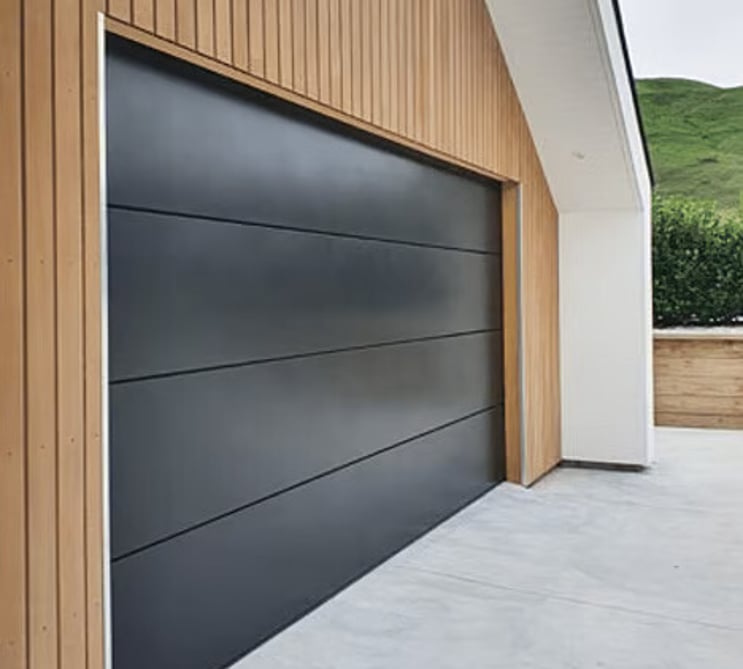
No, though they're constantly confused. A roller door is one continuous curtain that coils into a barrel above the opening. A sectional door is made of separate rigid panels hinged together, which travel up and back along tracks rather than coiling flat against the ceiling once open. Despite the difference, most people use "roller door" to describe both, and we're used to it. It doesn't slow down a repair or a quote either way, since the first thing we do is ask how the door actually moves rather than relying on what it's called. If you're ever unsure which one is sitting in your garage, just watch it open once. The movement gives it away far more reliably than the name on the invoice from whoever installed it.
Do you repair all brands and types of garage doors?
Yep. Doesn't matter where it came from; if it rolls, tilts, or hums, we can probably fix it. If we can't, we'll tell you straight rather than stringing you along or talking you into a replacement you don't need. That covers roller doors, sectional doors, tilt doors and cedar doors, whoever installed them originally and whichever brand is on the motor. We carry parts for the major brands and know most of the common fault patterns across each door type, so bringing us a door we've never seen before isn't unusual; it's most weeks. If a particular opener genuinely is obsolete and parts have run out, we'll say so plainly rather than let you keep guessing.
Which is better for a Hamilton home, roller or sectional?
There's no universal answer. It comes down to your garage and what you want out of it. Roller doors need less headroom and suit a simple, no-fuss mechanism, which makes them popular where ceiling space is tight. Sectional doors generally run quieter, insulate better, and offer more colour and style options for the front of the house, but they do need overhead clearance for the tracking. If ceiling clearance is limited, that often decides it for you before anything else comes into play. Otherwise, it's genuinely worth seeing both types operating in person before deciding. Photos and specs don't tell you much about the noise or the feel of a door in daily use, and the Te Rapa showroom has working models of both.
What if neither a standard roller nor sectional door fits my space?
That's more common than you'd think, especially with older Waikato homes, unusual openings, or flush-mount designs where a catalogue door simply won't sit right. We build our own tilt doors and specialty sectional doors in-house for exactly this situation, so an oversized, oddly shaped, or non-standard opening isn't automatically a dead end. It's genuine custom engineering, not just a bigger version of a standard product, which matters when the opening doesn't match anything off a shelf. Bring us the measurements and what you're trying to achieve, and any constraints, like an unusual roof pitch or limited headroom, and we'll tell you honestly whether a custom option makes sense or whether a standard door will actually do the job just fine.
Still Not Sure Which Door You've Got?
Whether it turns out to be a roller door, a sectional door, or something custom altogether, we'll give you a straight answer and the right fix.